News
Rewilding vs. Aesthetic Gardening
Learn more about the differences between rewilding & aesthetic gardening from Keenan, EYA's Program & Sites Assistant, as we reflect on our relationships with the land.


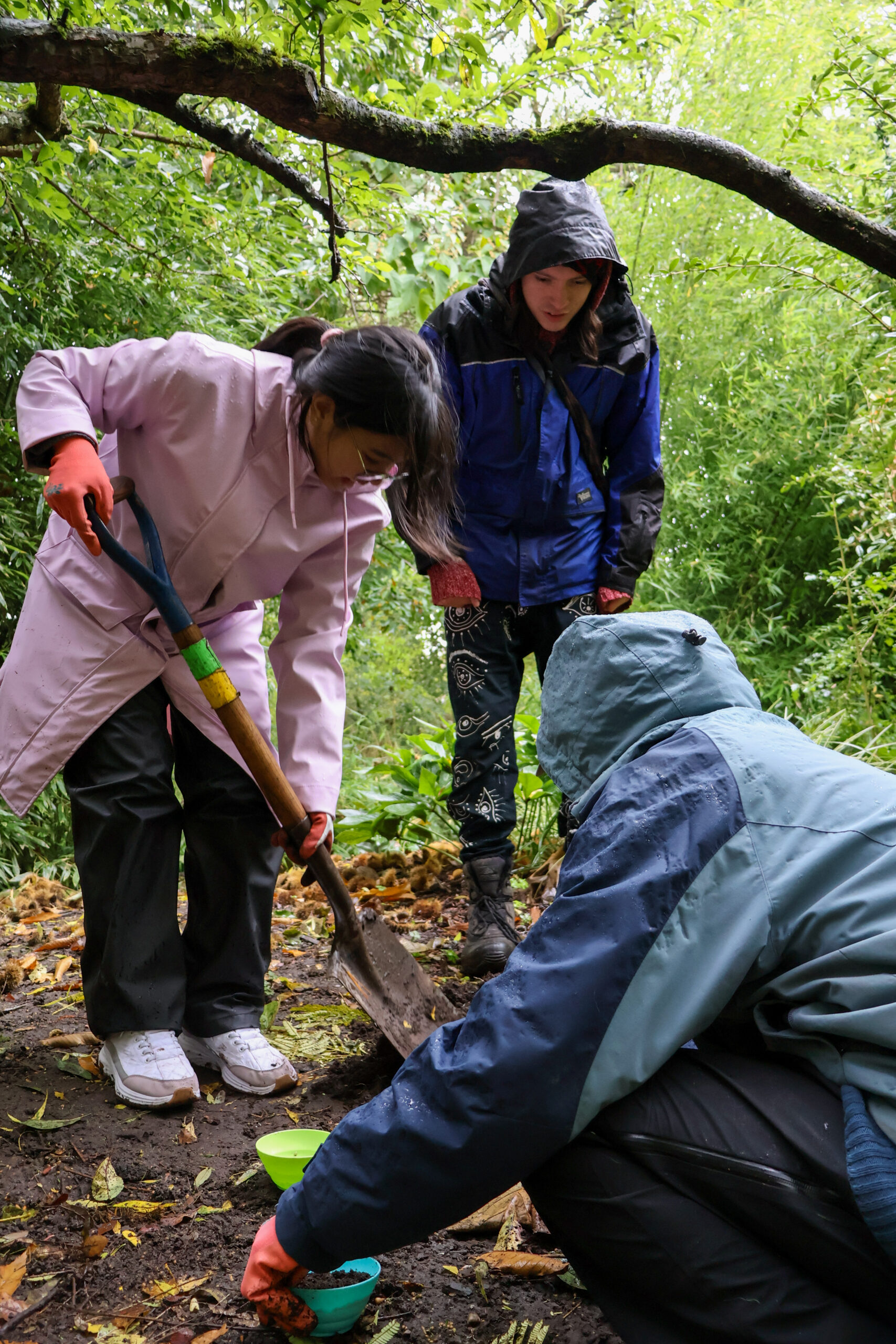
From community gardens, botanical gardens, front yards, backyards and balconies, the more gardens and greenspaces that you visit, the more you will begin to notice how diverse our relationships with plants can look! The more you engage in conversations with a variety of gardeners who work with all kinds of different plants, ecosystems and space constraints and challenges, you quickly realize that many of them may approach things very differently than you.
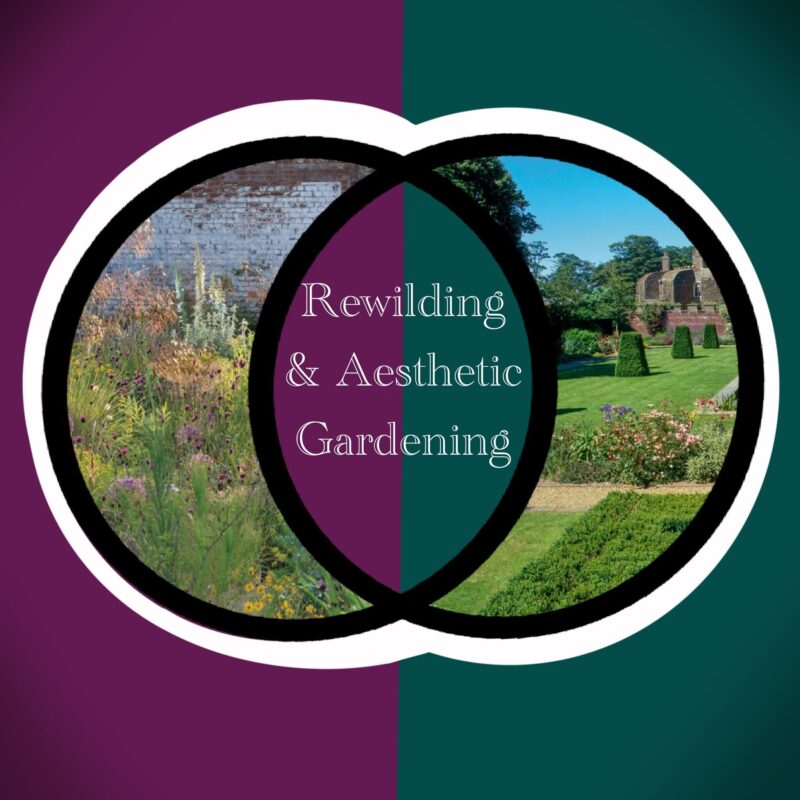
So, what might be some reasons for so many different approaches to gardening and relationships with the land?
- Background of Person & Place: What is the background of the person or people who came together to help create this space? A gardener? A farmer? An ecologist? An amateur? A knowledge keeper? A non-profit organization? A school? An indigenous nation? Do multiple groups use the space? The background of the person or people who create a greenspace space will affect and inform the way that a garden exists. As well as people, it could be helpful to know the background of a place, as it might help you have an idea of what naturally thrives in the space you are in, or perhaps hazards that might exist (pesticides, heavy metals, heavy foot traffic extd.). Additionally, the cultural background(s) of a person/people may determine some of the plants they favour such as culturally relevant foodcrops, herbs and spices or simply just plants they find beautiful or ones that remind them of home or their loved ones!
- Location: Location will inform what plants will thrive, as well as what species are needed to draw pollinators and promote biodiversity. The more you try to establish plants that wouldn’t naturally be at home in an area, the more work you will have to do to ensure its survival and the more you will have to alter the ecosystem around you, which can have potentially negative effects on native species. If you plant more things that are aligned with your local ecosystem, you will need less maintenance and be more in harmony with what is naturally suited to your space!
- Intentions/Purpose/Goal: What is the purpose or intention of creating/maintaining this garden/greenspace? This will inform not only appearance, but what the space is. Is the goal to grow a vegetable garden? Is it a place for pollinators? Environmental study or education? Medicines? Is it a multipurpose educational space? Whatever the purpose or multiple intentions of the space, this will determine how it appears and how it functions.
Background of Person & Place + Location + Intention/Purpose/Goal=Approaches Used.
Two of the approaches to gardening we will cover are Rewilding & Aesthetic Gardening. What is Rewilding? What is Aesthetic Gardening? What are their benefits and drawbacks, the ways they are different from each other and the ways that they can come together?
Rewilding Gardening
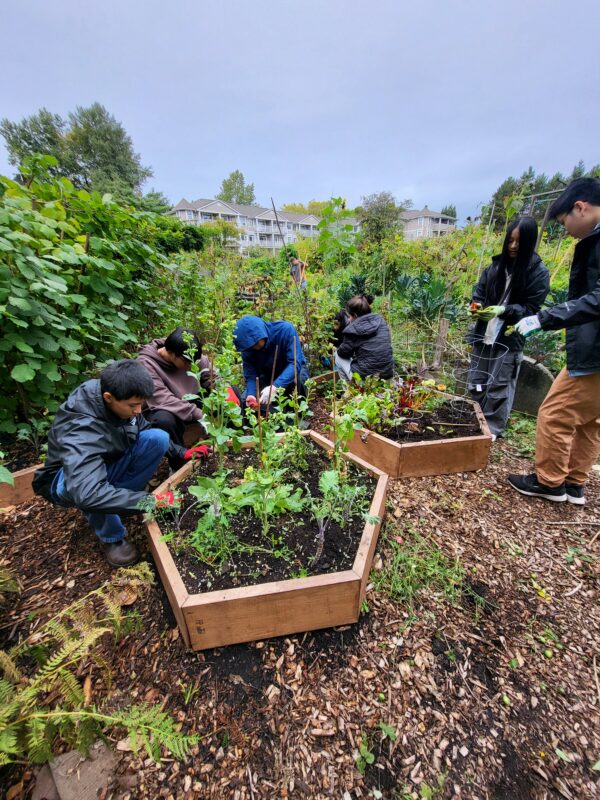
At Environmental Youth Alliance for example, all our programs take on a Rewilding approach (one of our Nature Stewards programs is even called Rewilding!). Rewilding’s goal/purpose is towards restoring and strengthening the ecosystem of an area through the placement of native species and the removal of harmful invasive ones that threaten the stability and health of a place. Rewilding works towards increasing the biodiversity and overall healthiness of the plants and wildlife of an area. Colonial Rewilding emphasizes returning the land to its “original”, “untouched”, “wild” state. Wildlife and animals are other than us humans, and so in this approach we are separated from nature…merely occasional observers.
At EYA we try to learn more from an Indigenous approach to Rewilding, which emphasizes rather than diminishes the relationship of people with the health and wellbeing of the land. If we are relations with the plants and animals that we share land and resources with, then we too have a place in rewilding and a responsibility in that relationship. In an indigenous lens, the impact that humans have on the land does not need to be negative or destructive! Sometimes we can benefit the land as much as it benefits us if we act as gentle stewards! Rewilding in this way is also a mindset, being in relationship with the land as well as being mindful of all the relationships that the land holds. That is the purpose of Rewilding.
However, you might be more familiar with Aesthetic Gardening, since it is one of the more common approaches to gardening!
Aesthetic Gardening
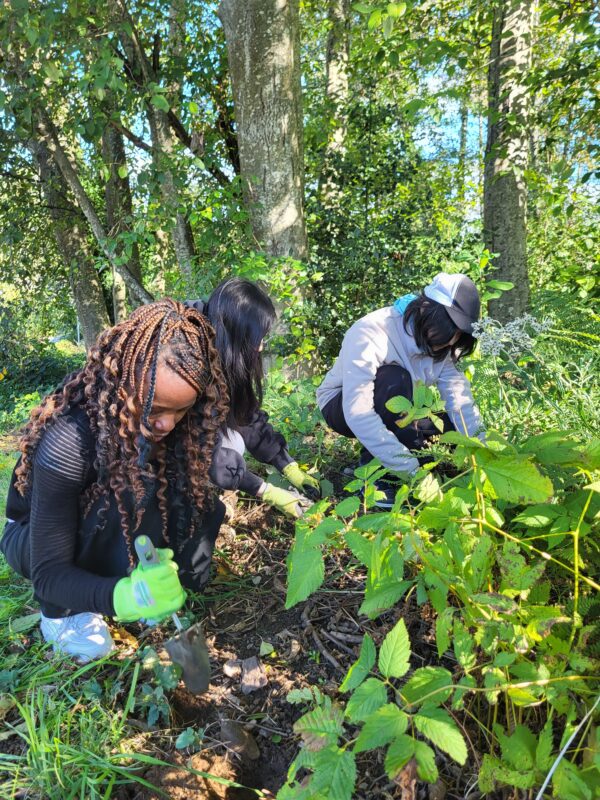
Aesthetic Gardening emphasizes the appearance of a garden, with the goal and purpose of meeting a specific, desired visual aesthetic. Often this can mean the use of non-native ornamental plants, strictly defined garden beds and planting in rows to achieve that desired appearance. As practical and aesthetically pleasing as this can be, this can potentially come at the expense of the biodiversity and health of an ecosystem if unbalanced. For example, perhaps many beautiful non-native ornamental flowers have been planted in a large area. Visually they are stunning to look at. However, as a result, there are few, if any native wildflowers or other species in an area. As a result, native pollinators lack many of the plants that they rely upon. Sometimes, even if pollinators gain nectar from more ornamental flowers, their nectar is not as nourishing as their naturally preferred food sources. In the end, the ecosystem can begin to suffer.
Another example of Aesthetic Gardening is monoculture crops, planting organized row after row of a single plant species. This can sometimes be at the expense of biodiversity, as well as taking up a lot of land use and space. While it may be aesthetically pleasing and appealing to us, if this is too widespread, the land and all of the species that rely upon its biodiversity will be negatively impacted creating what are known as “green deserts”. Plenty of plants, but with a lack of biodiversity, more damaging than helping. In many of these “green deserts”, things are eerily quiet as there are no birds and even many insects.
Conclusion
Aesthetic gardening is not an inherently negative approach however! Gardens do possess beauty and that appreciation is not limited to humans! For example, the bright and vivid colours of flowers are that way in order to catch the attention of pollinators (which is why you’ll notice they’ll sometimes land on you if you are wearing colorful or floral print clothing!). Aesthetics can also help a garden draw attention to itself as a space for community and gatherings. Aesthetics are important, just as rewilding is important. Even if we wish to retain some ornamentals and aesthetic aspects of our gardens, we can try and include native species into that vision and create something with biodiversity and community in mind!
While they can sometimes be opposites of one another, there are many ways that both aesthetic gardening and rewilding can be used and incorporated into the same spaces…meeting aesthetic and biodiversity goals together! Changing our perception of what is aesthetically ideal can open us up to the beauty of the world around us, more creative solutions for meeting the many needs gardens and green spaces have and a more holistic relationship overall with the lands we love and all those we share them with.
Sources:
https://thegreenhub.substack.com/p/want-to-rewild-your-backyard-start
http://jomckerr.com/rewilding-our-aesthetics/
https://planetwild.com/blog/monoculture-green-deserts-and-5-ways-you-can-help